
Building pads and site prep
Building padsand site prep, cut level.
House, barndominium, shop and RV pads cut, filled and compacted level, and ground prepped for concrete, so the next trade starts on a flat, firm base that drains.
- House and barndo pads
- Shop and RV pads
- Concrete pad prep
- 5 ac+Single-family homes on lots over five acres are excluded from TCEQ's Edwards rules (one home per lot)Source
- 15%Impervious cover limit in San Antonio's ETJ over the recharge zone (SAWS Category 3)Source
- 30%Single-family impervious cover limit inside San Antonio over the recharge zone (Category 2)Source
- FreeEstimates. A name and a phone number to start
Building Pads & Site Prep
Flat, firm,
and draining away.
Everything built on rural land sits on a pad: the house, the barndominium, the shop, the barn, the RV spot. Get the pad wrong and the slab cracks, the shop floods or the RV sits crooked.
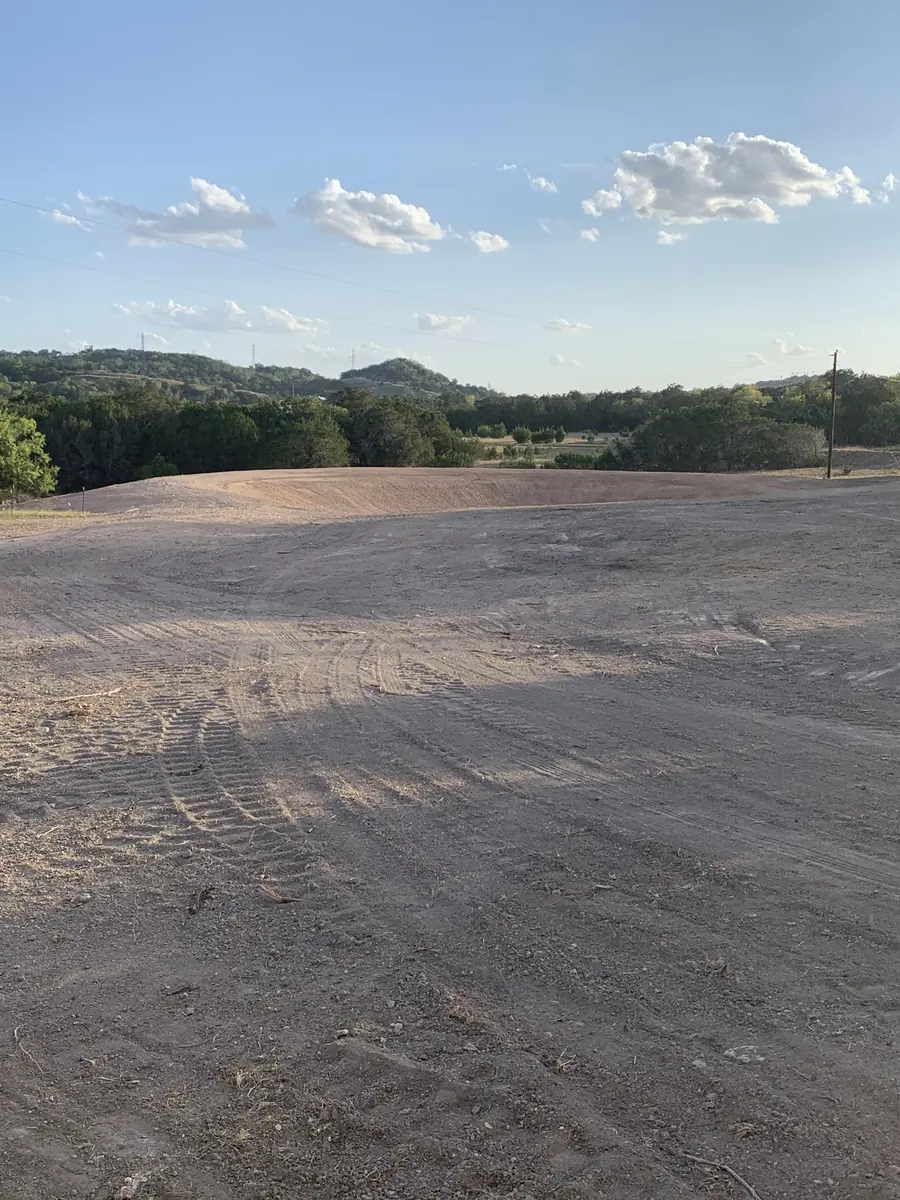
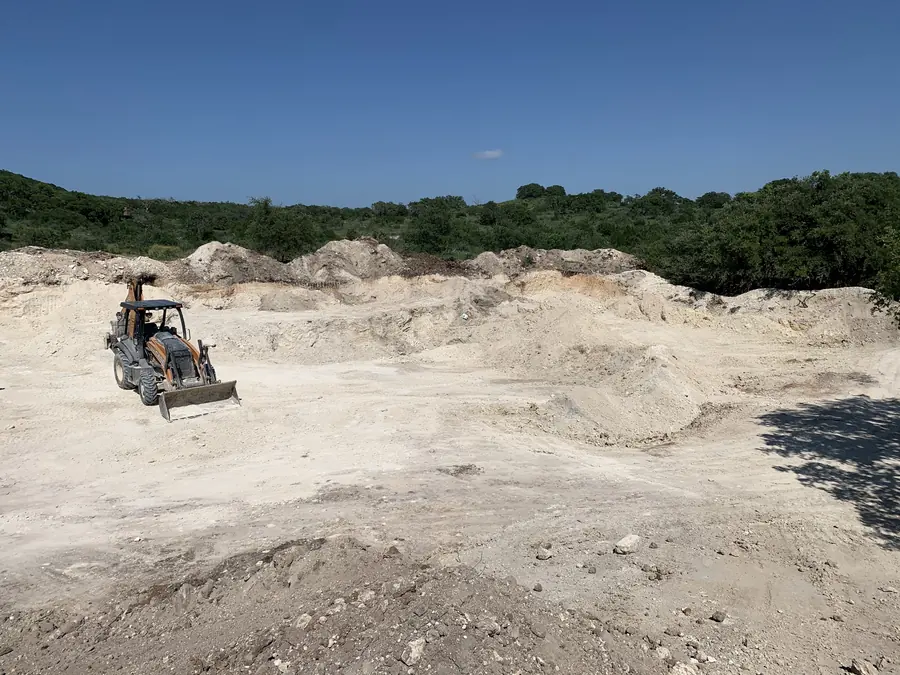
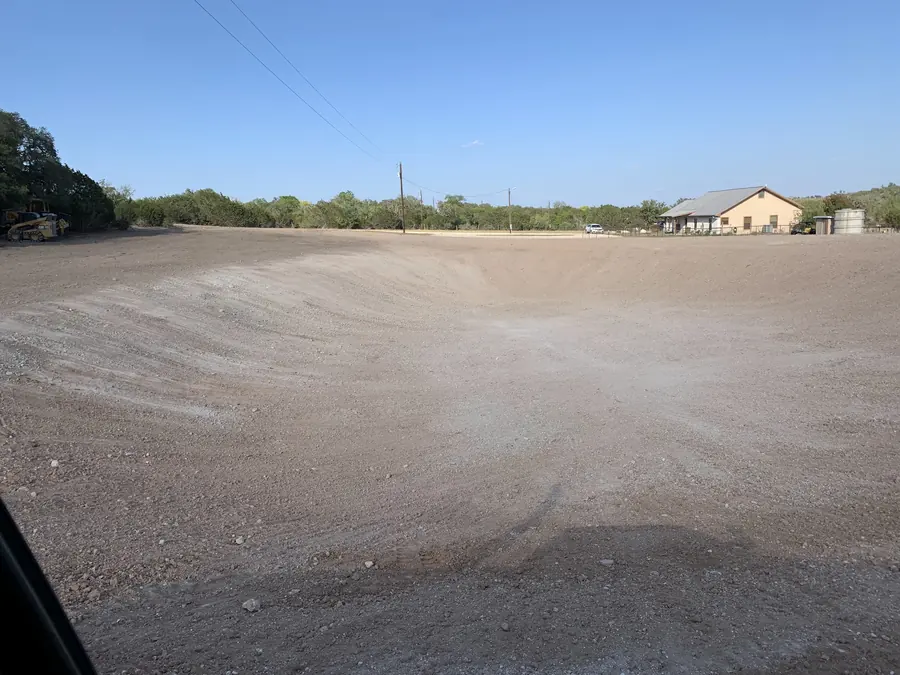
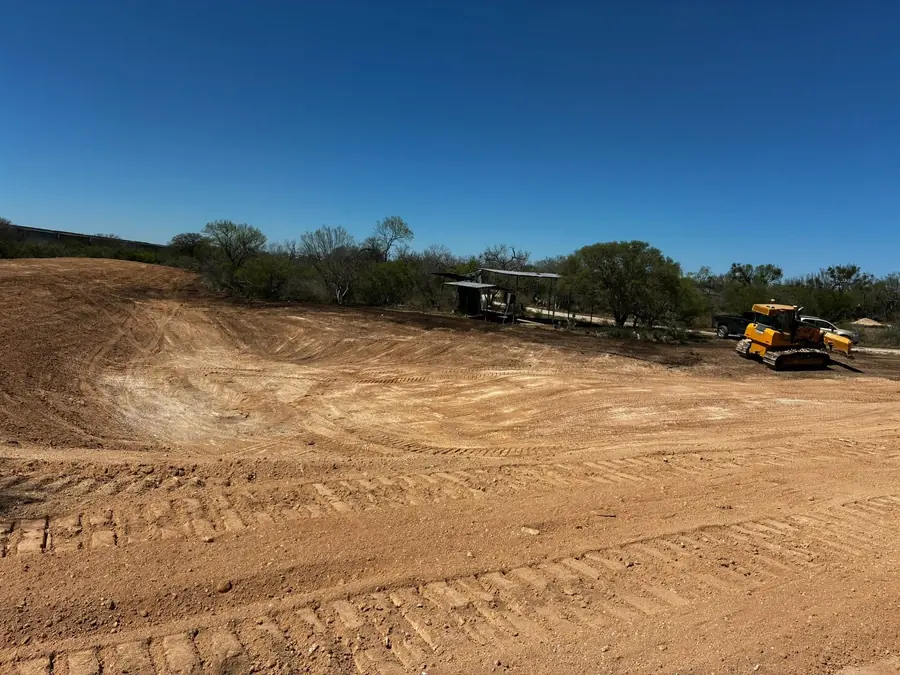
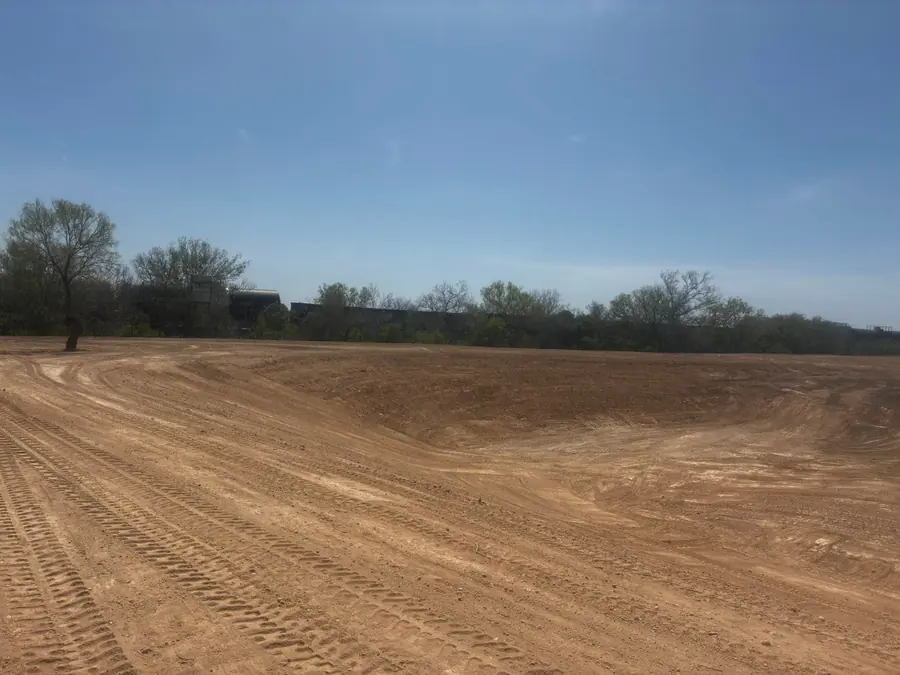
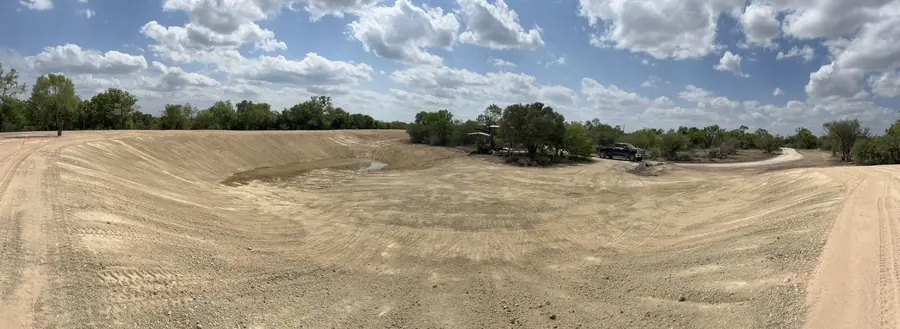
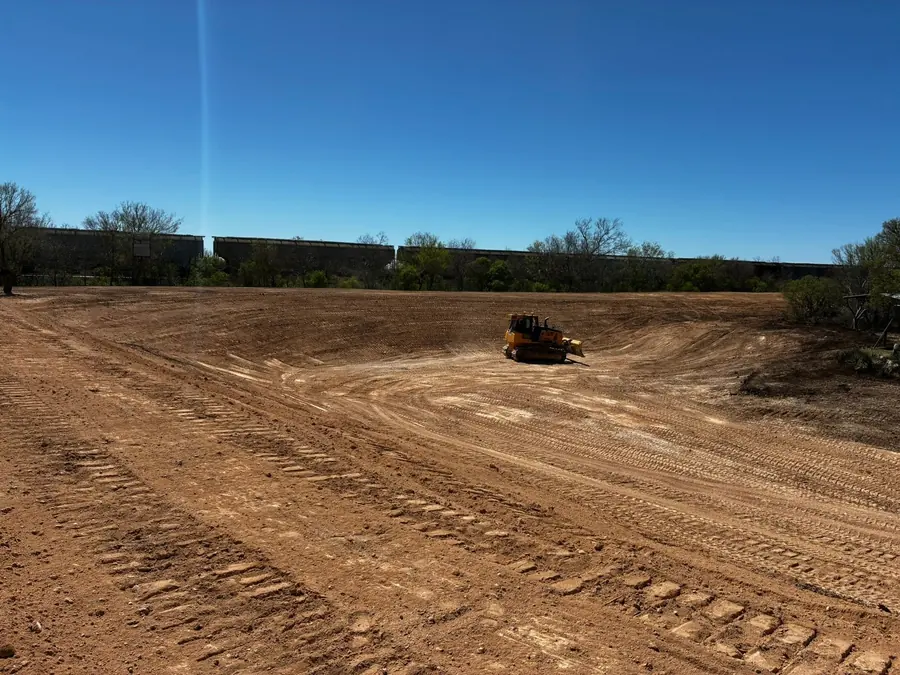
Our Facebook work includes big graded pads with the dozer parked at the edge, smooth pads cut against the tree line, and ground leveled for concrete. The pad is cut and filled to grade, packed down and shaped so water runs away from it.
Pad size, height and compaction are set by your builder or engineer. We build the dirt side to their plan, and we can clear the site and put the drive in at the same time.
What the work covers
What pad and site prep covers
Not sure if we handle it? Call and ask.
House pads
The pad for a new home cut, filled, compacted and graded to the builder's plan.
Barndominium and shop pads
Big, flat pads for steel buildings, shops and barns.
RV and mobile home pads
Level, firm pads for an RV, a trailer or a manufactured home.
Concrete pad prep
Ground leveled and firmed up for a slab, a patio or an equipment pad.
How it is done
How a pad gets built
- 01
Clear and strip
Brush cleared and the soft topsoil stripped off the pad area.
- 02
Cut and fill
High ground cut, low ground filled, to the height on the plan.
- 03
Compact in layers
Fill placed and packed in layers so it does not settle later.
- 04
Fine grade
The pad trimmed flat, with the ground around it sloped away.
What makes a good pad
A pad has three jobs: carry the building without settling, stay dry, and give the next trade a clean, flat start.
- Firm. Fill is placed and compacted in layers, not dumped in one go.
- High and draining. The pad sits above the ground around it, which slopes away so water leaves.
- To the plan. Size, height and compaction follow your builder's or engineer's spec.
If you do not have a plan yet, tell us what is going on the pad and we will talk through it with you.
Pads over the Edwards Aquifer
If your homesite is in Bexar, Medina or Comal County, check whether it sits over the Edwards Aquifer recharge, transition or contributing zone. TCEQ requires an Edwards Aquifer Protection Plan to be approved before soil is disturbed for regulated activities such as construction (TCEQ EAPP).
- "Construction of single-family residences on lots that are larger than five acres" (one home per lot) is a listed exclusion (30 TAC 213.3).
- On the contributing zone the rules apply when more than five acres are disturbed, or when the work is part of a larger plan that will disturb five acres or more (TCEQ RG-11).
- Inside San Antonio and its ETJ over the recharge zone, SAWS limits impervious cover: 30 percent for single-family inside the city (Category 2) and 15 percent in the ETJ (Category 3) (SAWS Ordinance 81491).
Read the Edwards Aquifer guide before you plan a big pad, and confirm with TCEQ's San Antonio office.
The homesite in one go
Most new homesites need the same run of work: brush cleared, a drive in, a pad cut and somewhere for the water to go. Because we do all of it, the drive goes where the trucks need it and the pad sits where the water drains away. Add a stock tank if the land has room for one.
On the job
Building pads, up close
Photos from Highlander Construction jobs. See more in recent work.
Questions
Building pads questions
How big should my pad be?
That comes from your building plans. The builder or engineer sets the size, the height and the compaction, and we build the dirt side to match.
Can you build an RV pad or a mobile home pad?
Yes. Level, firm pads for an RV, a trailer or a manufactured home are part of our pad work.
Do I need a permit for a pad?
It depends on where the land is. Inside a city, building permits apply. Over the Edwards Aquifer in Bexar, Medina or Comal County, TCEQ rules can apply before soil is disturbed. Check with the city or county first.
Do you pour the concrete?
Our work is the dirt side: the pad cut, filled, compacted and leveled for concrete. Not sure if we handle it? Call and ask.
Can you clear the lot and build the drive too?
Yes. Clearing, the drive and the pad are one run of work. See land clearing and driveways.
Where we do it
Towns and counties
Highlander Construction is based in Helotes and serves these areas. Not listed? Call and ask.
Related services
Excavation & Grading
Digging, cutting and moving dirt on rural ground, from stock tank basins to building sites.
See the service Related serviceLand Clearing
Brush and cedar cleared, the trees worth keeping left standing, and the debris burned when allowed, stacked or hauled off.
See the service Related serviceAsphalt Millings, Caliche & Gravel Driveways
Driveways surfaced with asphalt millings, caliche or gravel, on a graded base that drains.
See the serviceGuides
Edwards Aquifer rules for land work.
Which counties, when a TCEQ plan is needed, what is excluded and what it means for each kind of job.
Read the guide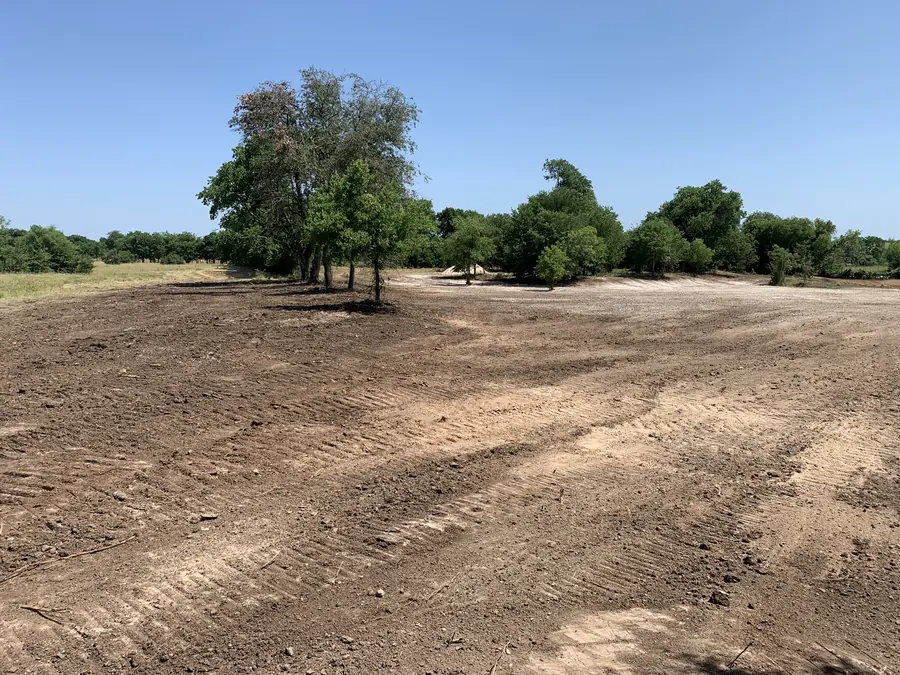
Do you need a permit to clear land here?
Tree ordinances, the Helotes survey, Edwards Aquifer plans, floodplains and who to call.
Read the guide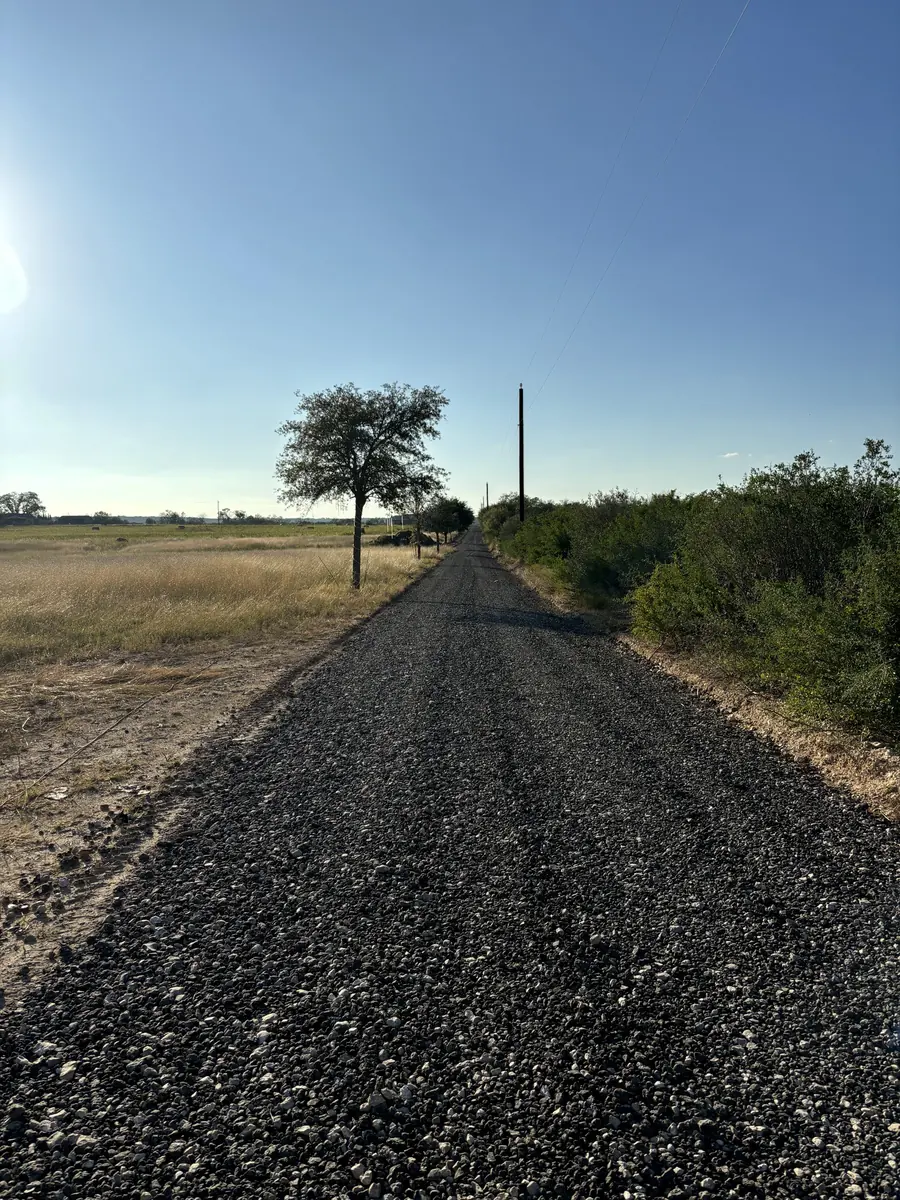
Caliche, road base or asphalt millings?
What each surface is, where it fits, what sets the price and why drainage matters more.
Read the guide