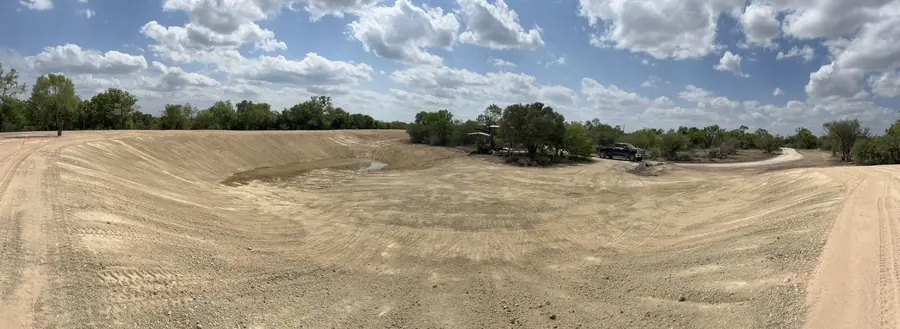

Cedar and brush clearing
Cedar and brush clearing,done selectively.
Ashe juniper, the cedar that crowds Hill Country pasture, cleared with a plan: regrowth thinned, oaks and good wildlife cover kept, and the brush piled for burning where it is allowed or hauled off.
- Ashe juniper
- Wildlife-minded
- Oaks kept
- 50%Or less of the brush to clear when white-tailed deer are the goal, per TPWDSource
- 2 : 1Open ground to woody cover, the deer habitat mosaic TPWD suggestsSource
- 40 acLargest clearing size for best deer use in the AgriLife studySource
- Jul 15Wait until after this date to mow or shred, for fawns and nesting birdsSource
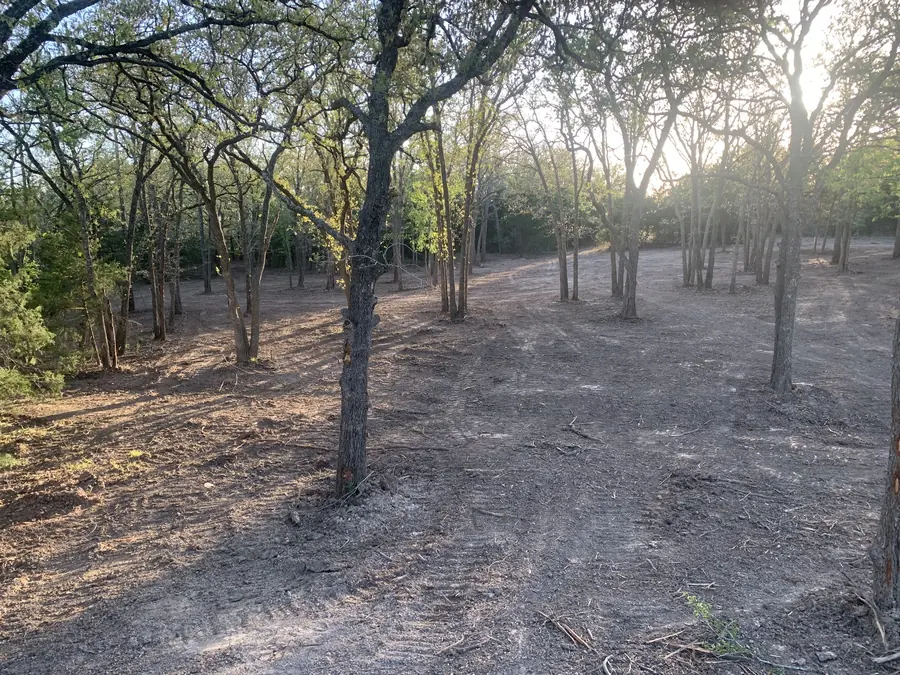
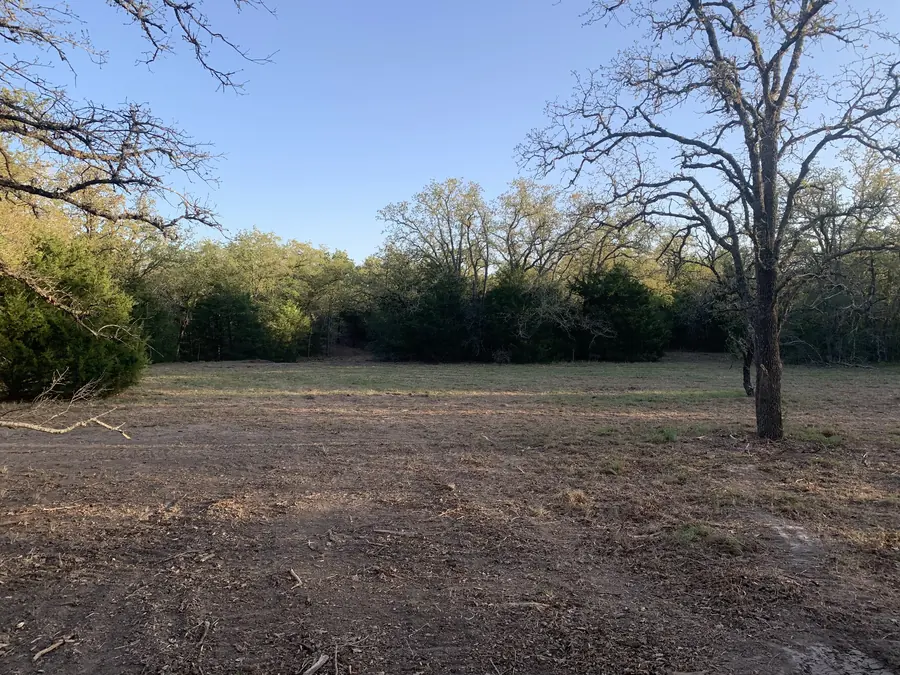
Cedar & Brush Clearing
Cedar out.
Grass, oaks and wildlife back in.
Around here "cedar" means Ashe juniper (Juniperus ashei). Left alone it closes in pasture, shades out grass and, as TPWD puts it, has had "a tremendous impact on the ecosystem by causing an increase in soil erosion" (TPWD guidelines).
Clearing all of it is rarely the answer. Some cedar, mixed with oaks and other brush, is cover your deer and birds use. The job is to take out what is crowding the land and leave a pattern that works for grazing, wildlife and getting around.
Species matters too. Ashe juniper does not resprout from its roots once it is cut, but redberry juniper, its western cousin, does (TPWD Appendix E). That changes how a tract is cleared and how often it needs a follow-up pass.
What the work covers
What cedar and brush clearing covers
Not sure if we handle it? Call and ask.
Regrowth cedar
Young cedar thinned out of pasture before it takes over. TPWD notes regrowth cedar is almost never warbler habitat.
Single-stem removal
Cedar picked out one tree at a time where it is mixed with oaks and other plants you want kept.
Brush sculpting
Clearing that follows the contours, with brush left on hilltops and along drainages and mottes left standing.
Fence lines and access
Cedar and brush cleared off fence lines, gates and the routes you drive.
Mixed brush
Underbrush and mixed brush cleared with the cedar. Mesquite or huisache in mind? Call and ask.
Burn, stack or haul
Brush piled and burned where the rules allow it, or hauled off when a burn ban is on.
How it is done
How a cedar job runs
- 01
Walk it and mark keepers
Oaks, hackberry, cover strips and mottes get marked. We talk through grazing and wildlife goals.
- 02
Check timing
Oak season, nesting season and burn bans decide the order and the months.
- 03
Clear selectively
Cedar comes out around the keepers, following the contours and leaving cover where it counts.
- 04
Pile, burn or haul
Brush is stacked for a legal burn or loaded out, and the ground left smooth.
Clearing for wildlife
If deer and birds matter on your place, the clearing pattern matters more than the acreage. The published guidance is consistent:
- For white-tailed deer, "you may only want to clear 50% or less" of the brush, and keep strips of brush connected so deer can move between them (TPWD guidelines).
- Cover strips should be thick enough that an observer cannot see through them in winter, and the overall mix is about two parts open to one part woody cover (TPWD Appendix E).
- A Texas A&M study found 50 to 70 percent of a pasture could be cleared in 20-acre clearings while improving deer habitat, with clearings kept to 40 acres or less (Cedar Through the Eyes of Wildlife).
- Keep Texas oaks, chittam and hackberry, follow the contours, and leave brush on hilltops and in drainages (same AgriLife source).
Shredding and mowing should wait until after July 15 where fawns and ground-nesting birds are a concern (TPWD Appendix E).
The golden-cheeked warbler
The golden-cheeked warbler is a federally and state endangered songbird that nests only in central Texas. It uses tall, dense, mature Ashe juniper mixed with oaks, usually on steep canyons and slopes, with nest trees generally at least 15 feet tall. The birds are here from about March to the summer (TPWD and USFWS data sheet).
TPWD notes that "regrowth cedar is almost never a component" of its habitat (TPWD Appendix E). If your land has old, tall cedar on steep ground, talk to the U.S. Fish and Wildlife Service before clearing. We never tell anyone clearing is legal on a particular property. More in the cedar guide.
What we do not promise about water
You will hear that cedar drinks a set number of gallons a day, or that clearing it will refill the aquifer. We do not repeat those claims. A Texas A&M study at Camp Bullis, over the Edwards Aquifer in northern Bexar County, found "no apparent change in the relationship between rainfall and recharge" after the trees were removed, though the authors said the monitoring was too short to rule out longer-term gains (Edwards Aquifer Authority).
Clear cedar for grass, wildlife, fire safety around buildings and getting around the place. Treat any water gain as a bonus.
On the job
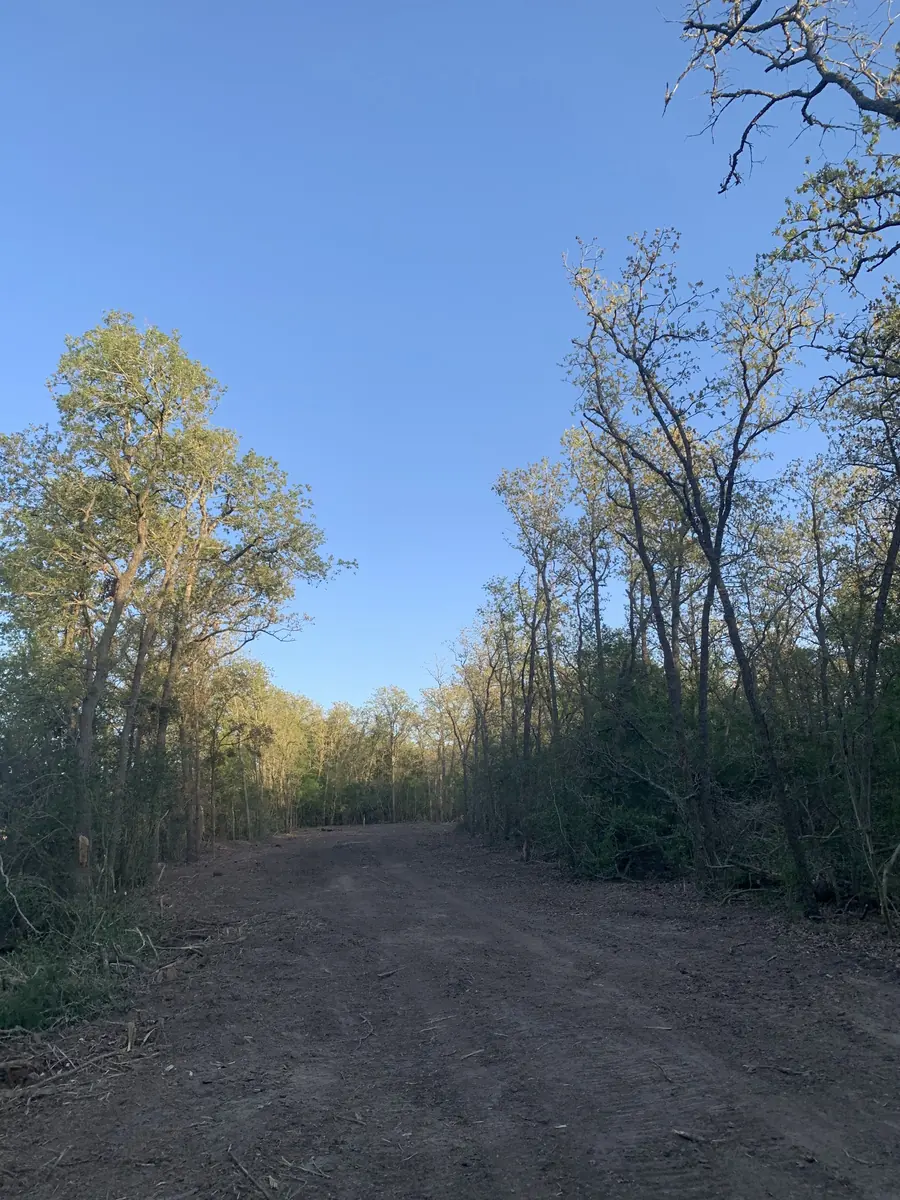
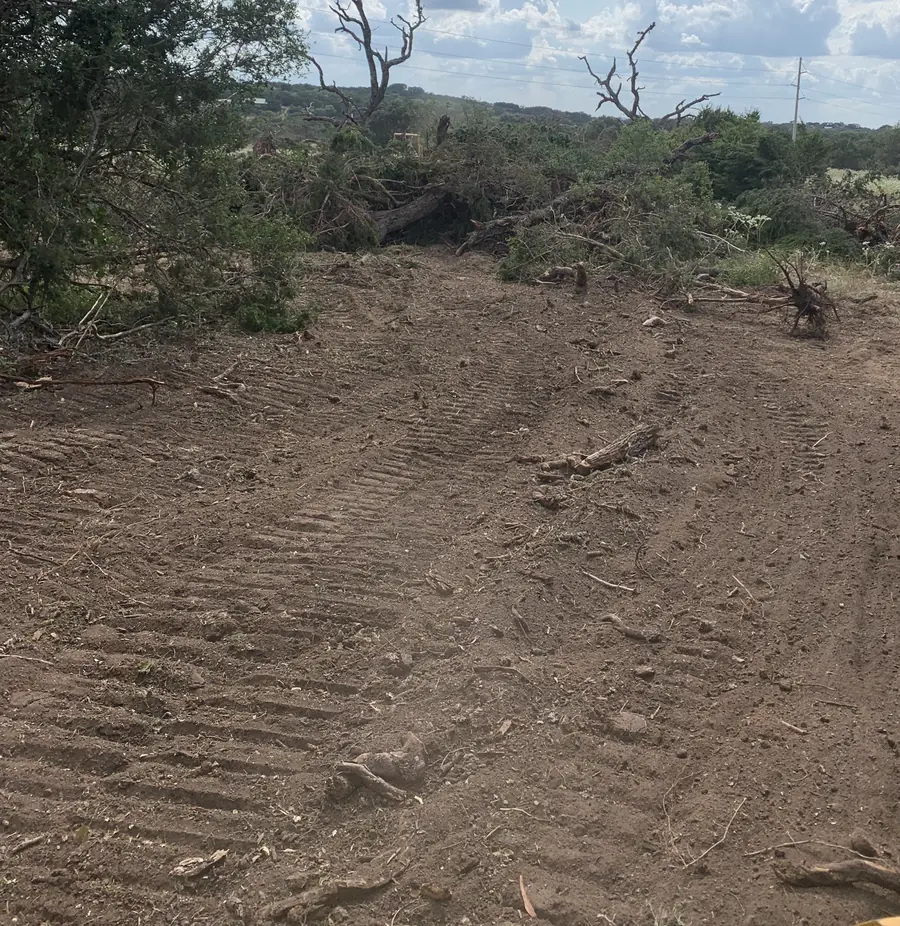
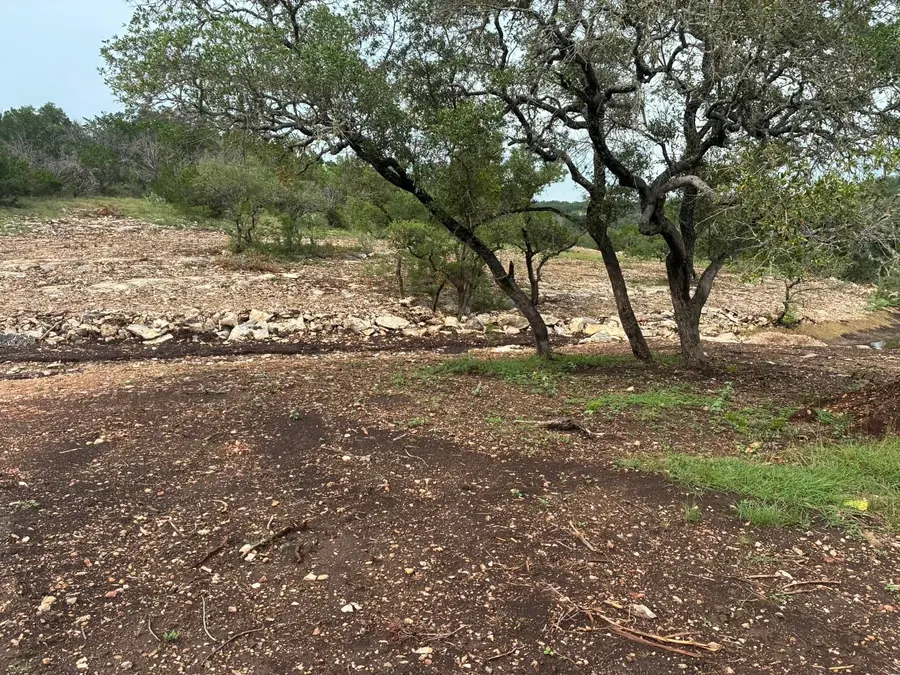
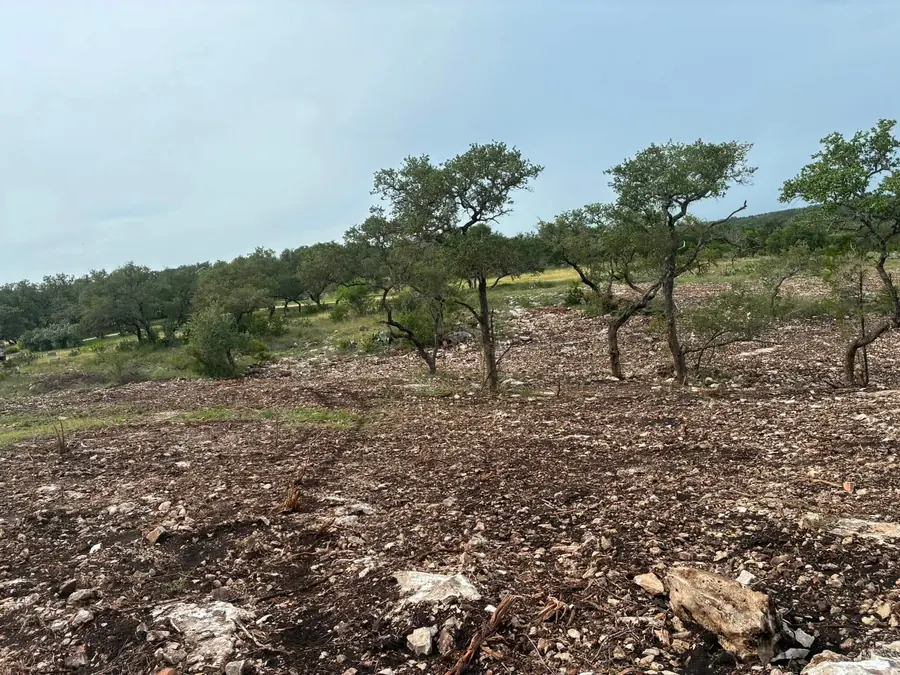
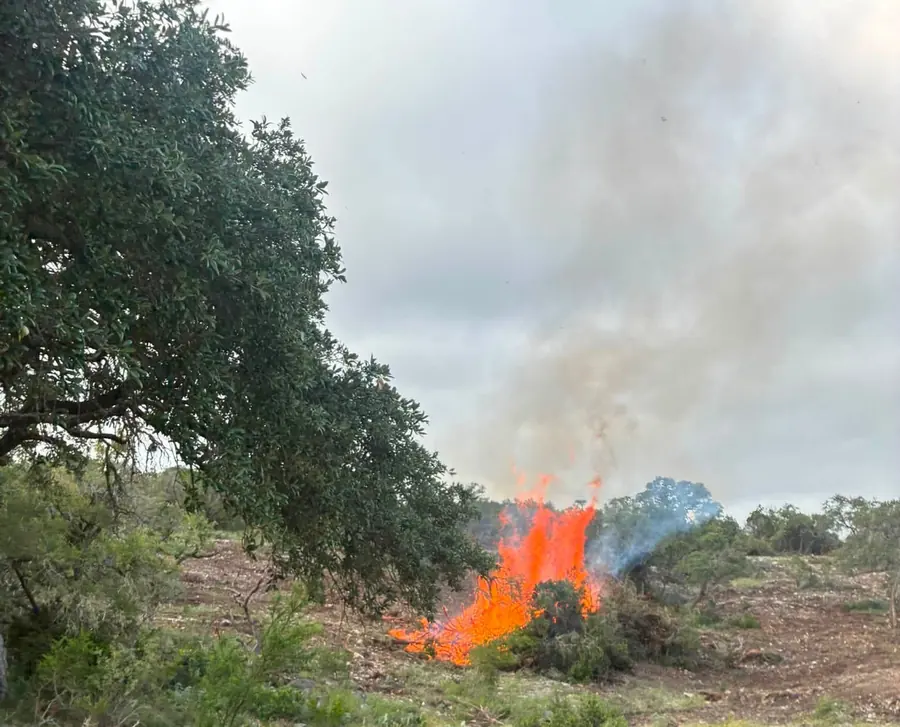
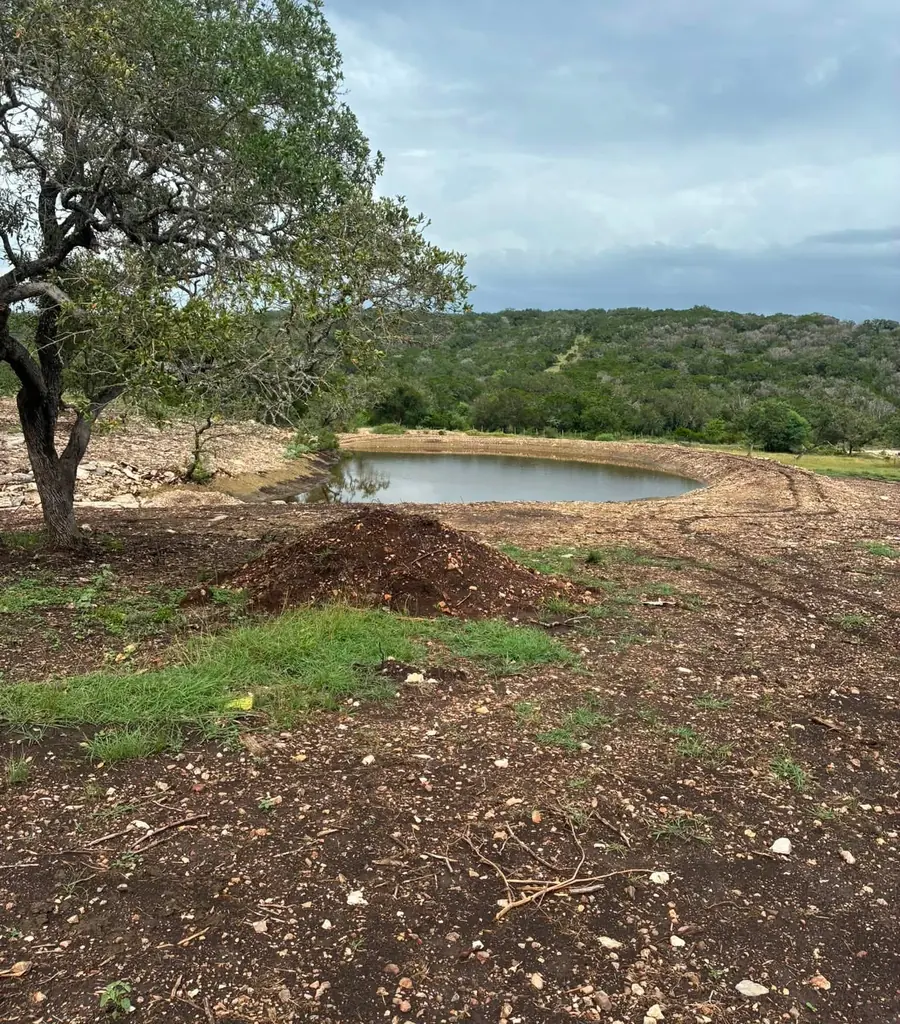
Cedar clearing, up close
Photos from Highlander Construction jobs. See more in recent work.
Questions
Cedar clearing questions
Is cedar the same as juniper?
Yes. What Texans call cedar is Ashe juniper. Redberry juniper is a close cousin found farther west. Ashe juniper does not resprout from its roots once cut. Redberry juniper does, according to TPWD.
Will the cedar grow back?
Cut Ashe juniper does not come back from the stump, but new seedlings will sprout over the years. A follow-up pass on regrowth keeps the land open.
Is it legal to clear cedar where golden-cheeked warblers live?
Only habitat the birds actually use is protected, and whether a site is habitat is decided by surveys, with the U.S. Fish and Wildlife Service having the final say. Regrowth cedar is almost never habitat. If you have tall, mature cedar on steep slopes, ask USFWS first.
Does clearing cedar help my wildlife valuation?
Brush management is one of the habitat practices in TPWD's wildlife management guidelines. Your wildlife plan and your county appraisal district decide whether it counts. See the valuation guide.
Can EQIP help pay for cedar clearing?
Possibly. Brush Management (practice 314) is an NRCS conservation practice. EQIP starts with an NRCS planner's visit. See the EQIP guide.
When is the best time to clear cedar?
Around oaks, avoid wounding them from February through June. For fawns and nesting birds, hold mowing and shredding until after July 15. Burning depends on the county burn ban. We plan around all three.
Where we do it
Towns and counties
Highlander Construction is based in Helotes and serves these areas. Not listed? Call and ask.
Pages for your area
Cedar clearing around Boerne.
Selective cedar clearing on Kendall County land around Boerne: Ashe juniper thinned out of pasture and homesites, the oaks and wildlife cover left,...
Read the page BanderaCedar clearing on Bandera County ranch land.
Cedar clearing on Bandera County ranch land: Ashe juniper taken out of pasture, cover kept for wildlife, the warbler question checked on steep...
Read the pageRelated services
Land Clearing
Brush and cedar cleared, the trees worth keeping left standing, and the debris burned when allowed, stacked or hauled off.
See the service Related serviceBrush Shredding & Pasture Clearing
Overgrown pasture shredded and smoothed, from a few acres to big places. One job covered 400 acres.
See the service Related serviceStock Tanks & Ponds
Earthen stock tanks and dirt ponds dug and shaped, with the spoil pushed up into a berm, ready to catch and hold water.
See the serviceGuides
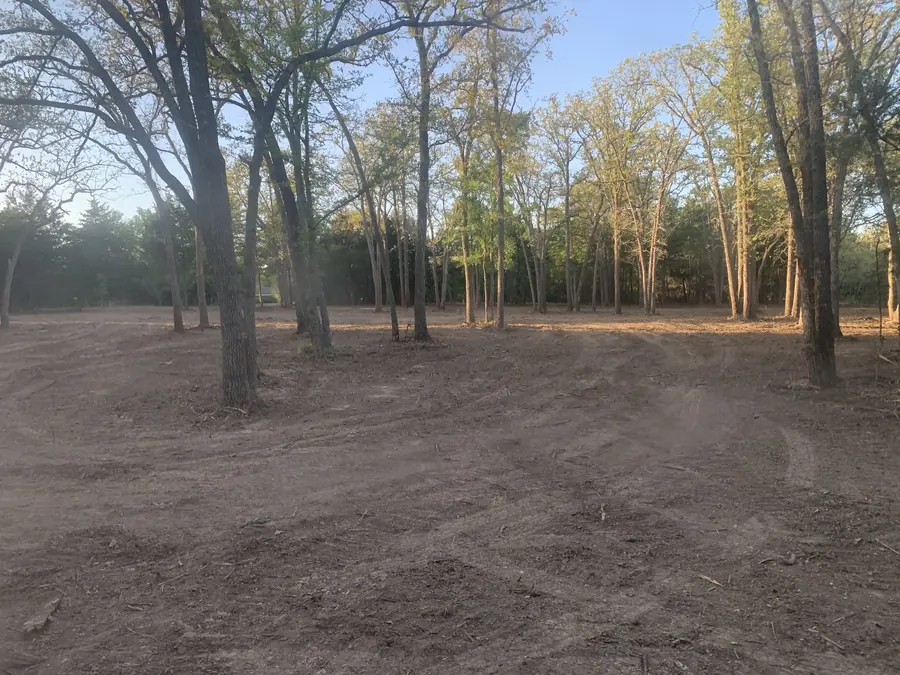
Selective cedar clearing in the Hill Country.
What TPWD and AgriLife say to keep, when to clear, the warbler question and the water claims to ignore.
Read the guideOak wilt and clearing: protecting your oaks.
How oak wilt spreads, the February to June rule, painting wounds and San Antonio's oak rules.
Read the guide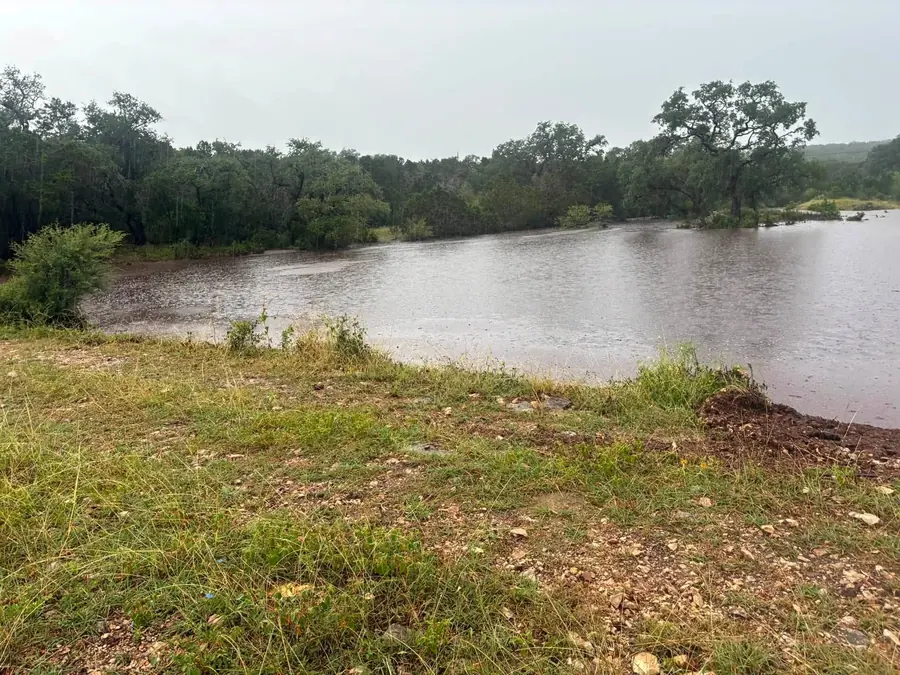
Land work and your wildlife or ag valuation.
How brush management and ponds fit TPWD's wildlife practices, and who actually decides.
Read the guideSources
- Texas Parks and Wildlife, Comprehensive Wildlife Management Planning Guidelines: Edwards Plateau and Cross Timbers & Prairies
- Texas Parks and Wildlife, Edwards Plateau guidelines, Appendix E: Vegetation Management Recommendations
- Texas A&M AgriLife, Cedar Through the Eyes of Wildlife (Rollins and Armstrong)
- TPWD and USFWS, Golden-cheeked Warbler data sheet (hosted by Comal County)
- Edwards Aquifer Authority, Augmenting Groundwater Recharge Through Brush Control: A Feasibility Study, Phase II (Wilcox and Munster)