

Driveways
Asphalt millings, calicheand gravel driveways.
Driveways surfaced with asphalt millings, caliche or gravel, laid on a graded, firm base with the water moved off, so the surface stays put.
- Asphalt millings
- Caliche
- Gravel and base
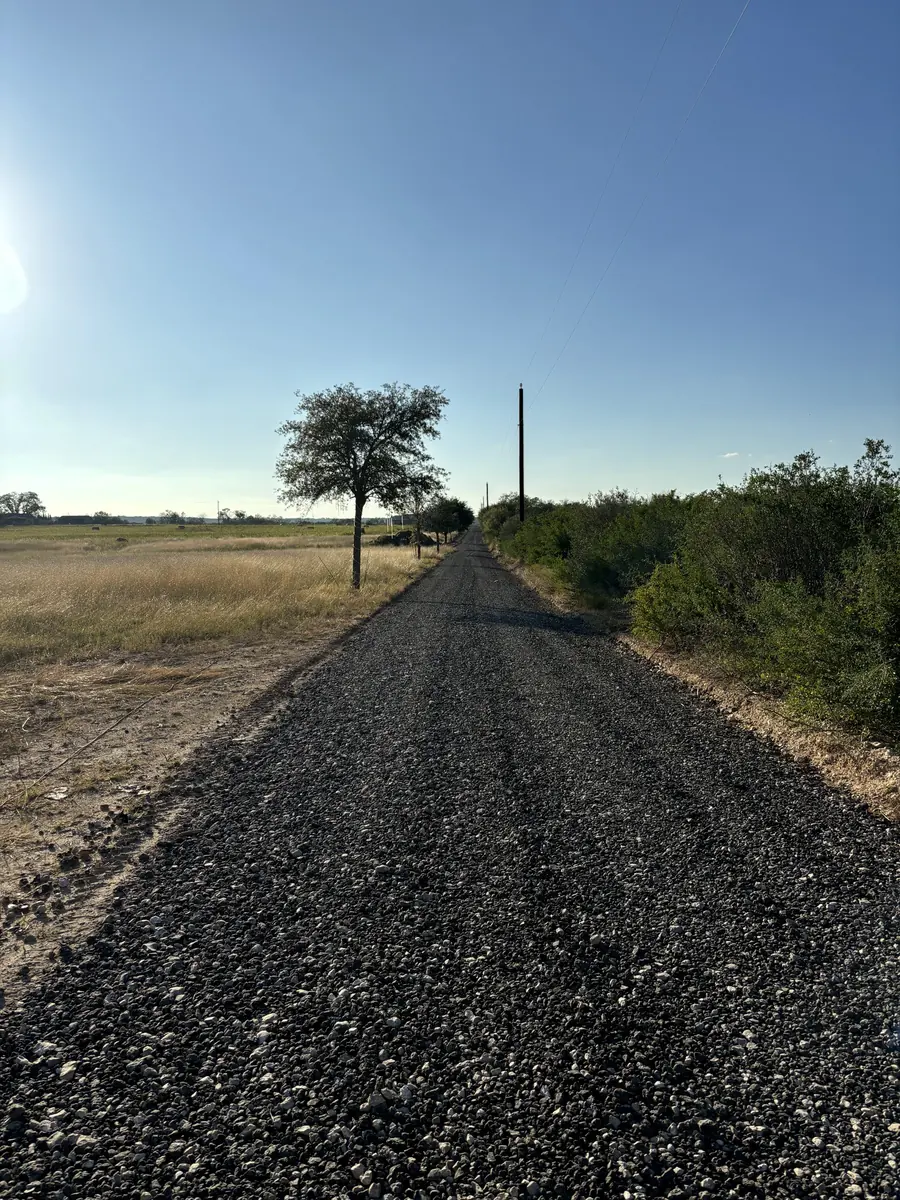
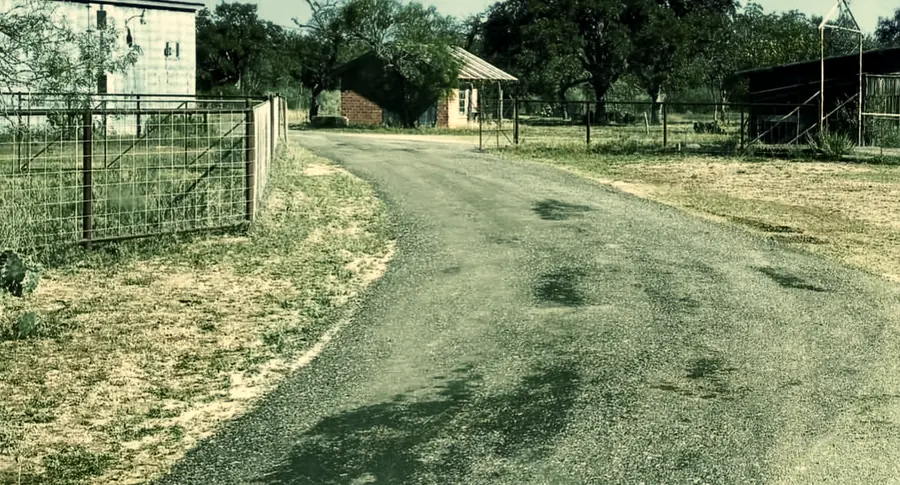
Asphalt Millings, Caliche & Gravel Driveways
Three surfaces,
one firm base.
A driveway is only as good as what is under it. The base gets graded and packed first, the water gets a way off, and then the surface goes on: asphalt millings, caliche or gravel.
Asphalt millings driveways are a regular part of our work on Facebook, along with caliche and gravel ranch roads. Which surface fits depends on the traffic, the slope, how wet the spot gets and the look you want.
This page covers all three. If the drive is long enough to call a road, see ranch roads as well.
What the work covers
What driveway work covers
Not sure if we handle it? Call and ask.
New driveways
A drive cut in, graded and surfaced from the road to the house, barn or shop.
Resurfacing
Tired drives regraded and given a fresh surface.
Base and grading
The subgrade shaped, crowned and compacted before any surface goes on.
Drainage
The drive shaped so water runs off, with a pipe where it crosses a draw or ditch.
Gate entries
The entry at the gate graded so it is not the first place to rut.
How it is done
How a driveway gets built
- 01
Look at the route
Slope, low spots, the soil and how the water moves across it.
- 02
Grade the base
The subgrade cut, shaped with a crown and packed down.
- 03
Lay the surface
Millings, caliche or gravel spread to depth.
- 04
Compact and finish
Rolled tight, edges shaped and the water given a way off.
Asphalt millings driveways
Asphalt millings are old asphalt ground up when a road is resurfaced. Spread and rolled, they pack into a firm, darker surface that holds together better than loose gravel.
A San Antonio millings supplier gives 3 to 4 inches of millings over a stable base for driveways, 4 to 6 inches for heavy ranch roads, and compaction with a roller (O'Leary Development Group). The base underneath matters as much as the millings on top.
Millings are a recycled road material, so they vary from load to load. Ask what you are getting, and expect the surface to settle and darken as it packs.
Caliche driveways
Caliche is a layer of soil cemented together, usually by calcium carbonate, common across dry parts of Texas (Geology.com). Spread, crowned and packed, it makes a firm, light-colored drive.
Caliche wants good drainage. A caliche drive that holds water softens and ruts, so the crown and the way off for the water are part of the job, not extras.
Gravel and base driveways
Crushed rock and road base give a firm, well-draining drive. Graded base packs tighter than loose gravel, which can roll and rut on slopes and turns.
Not sure which surface fits? The caliche, base and millings guide compares them and explains what the price is based on.
On the job
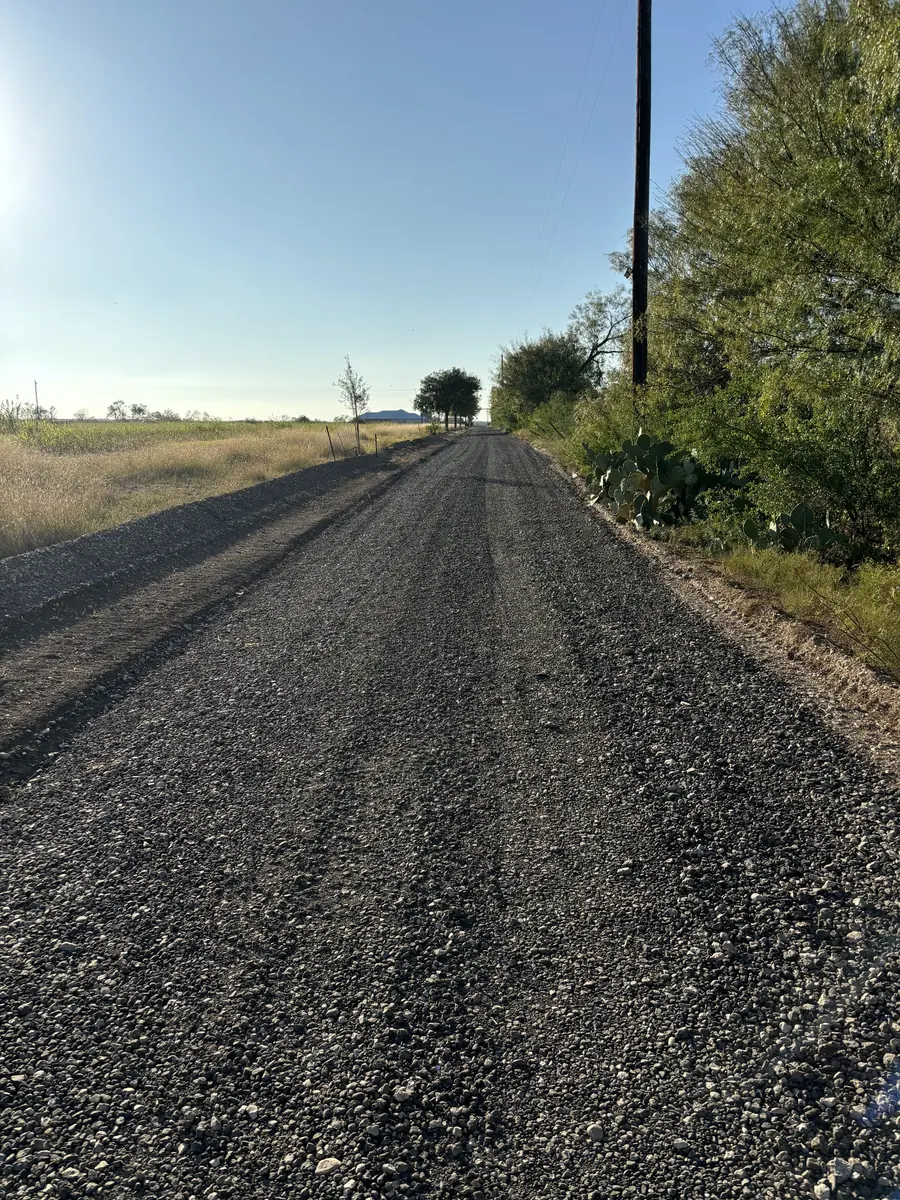
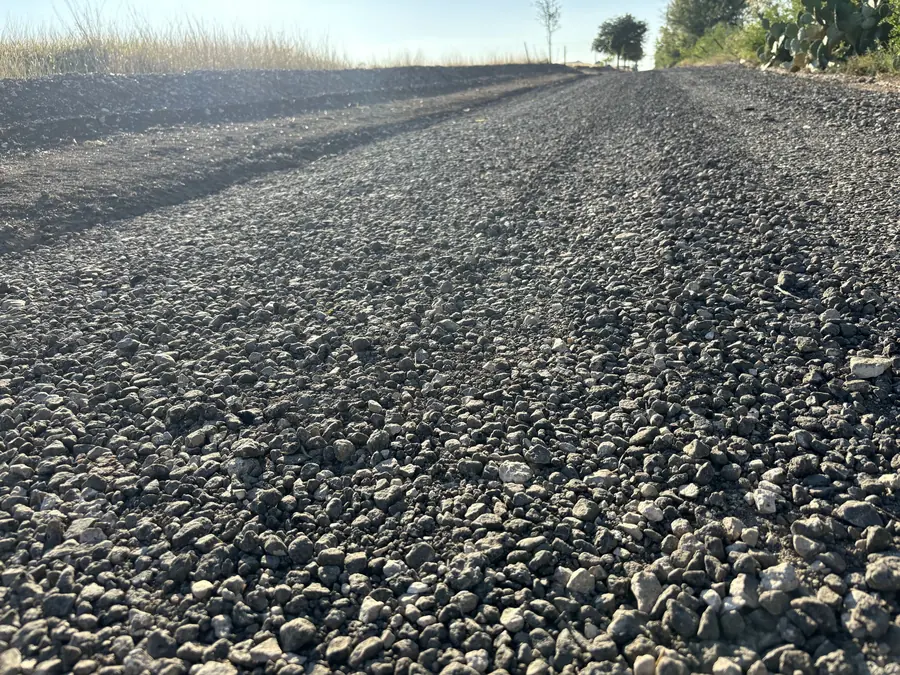
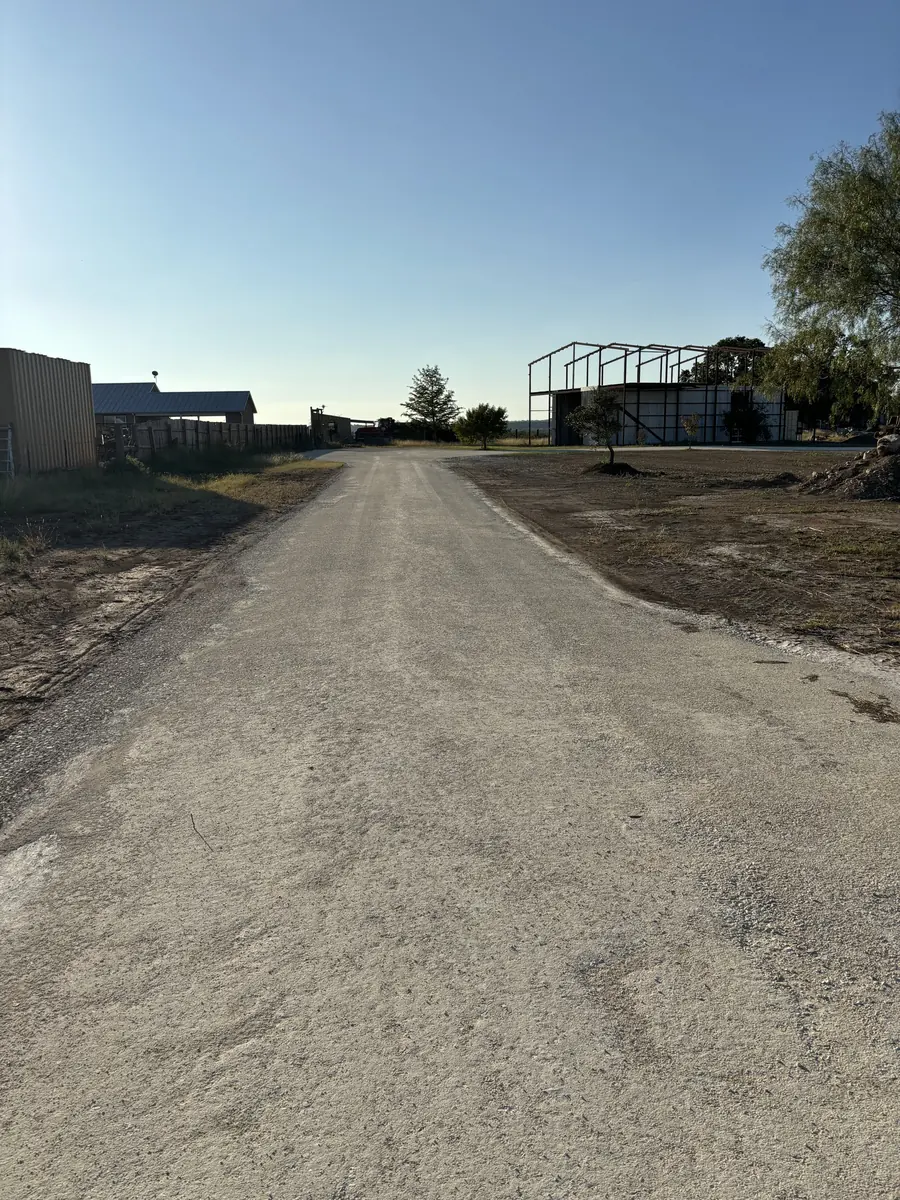
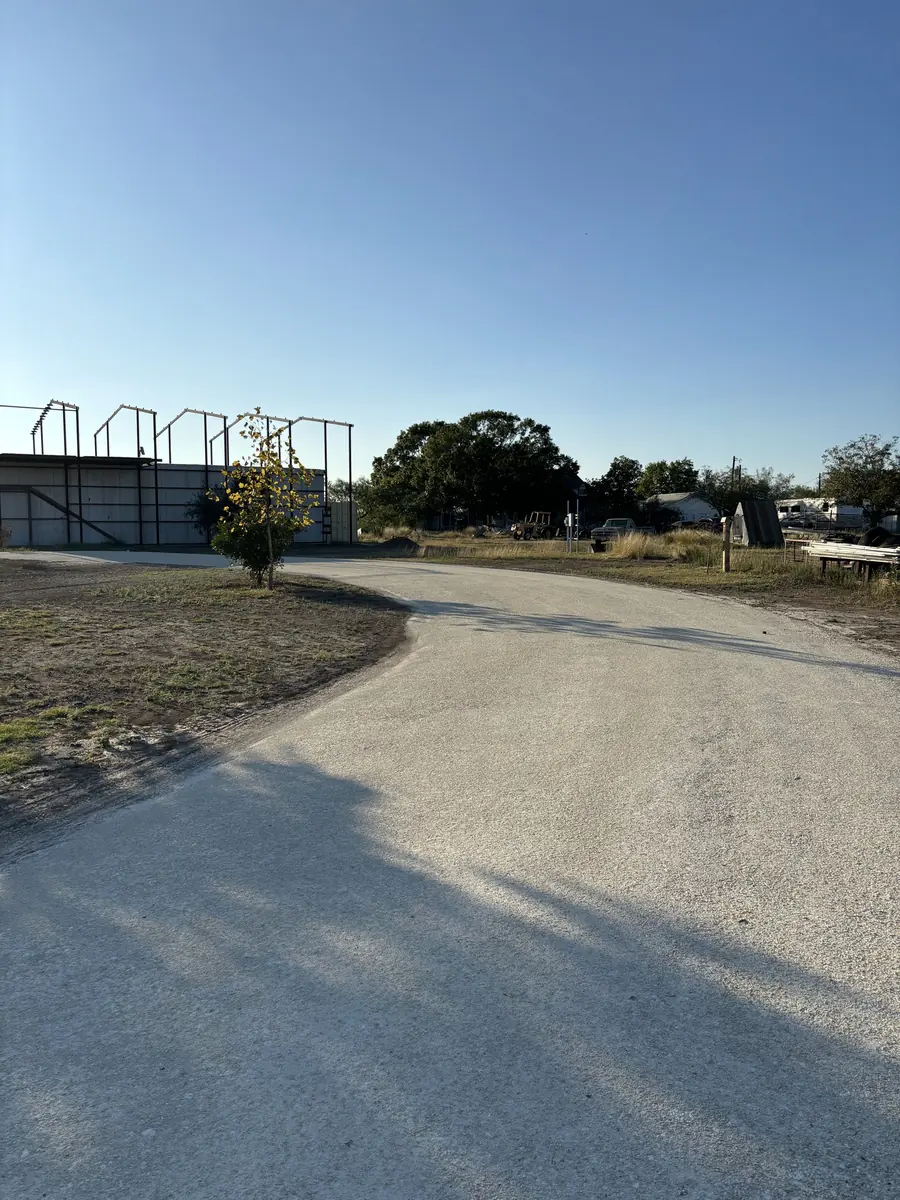
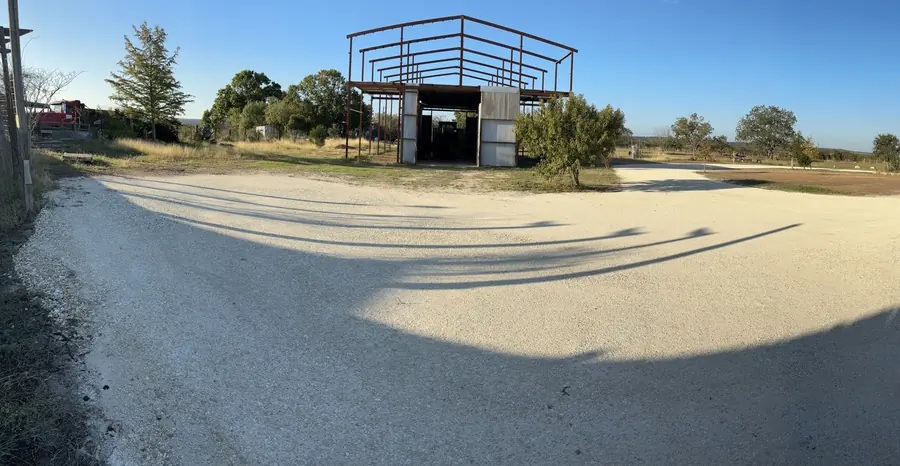
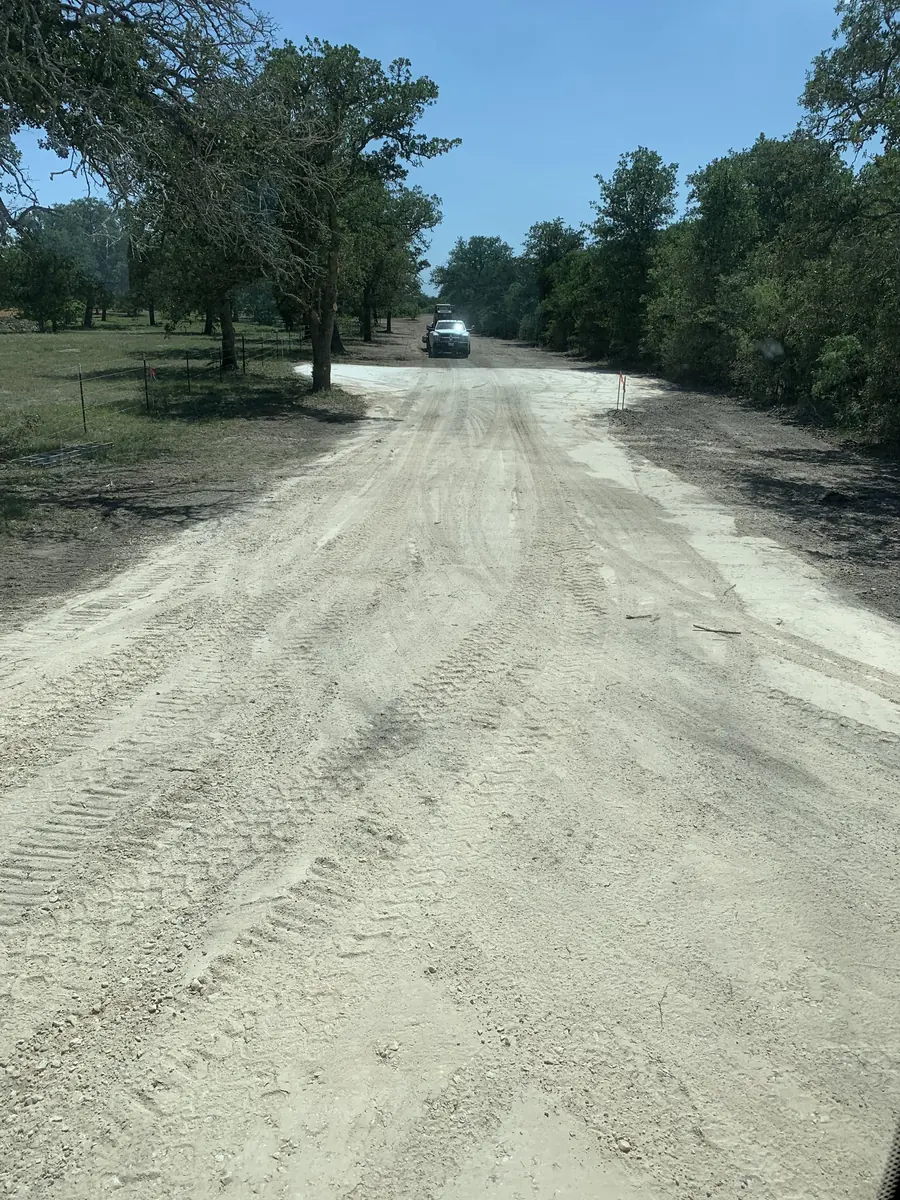
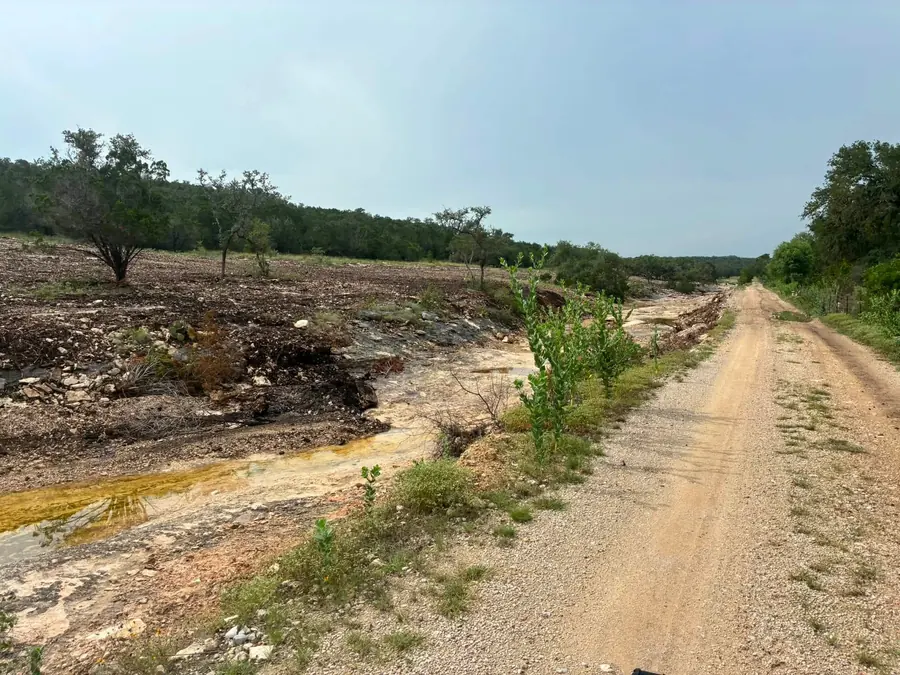
Millings driveways, up close
Photos from Highlander Construction jobs. See more in recent work.
Questions
Millings driveways questions
What are asphalt millings?
Millings are old asphalt ground up into a coarse mix when a road is resurfaced. Spread and rolled, they make a firm surface for driveways and ranch roads.
How thick should a millings driveway be?
A San Antonio supplier gives 3 to 4 inches over a stable base for driveways and 4 to 6 inches for heavy ranch roads, compacted with a roller. We size it to your traffic and base.
Millings, caliche or gravel: which is best?
Each has a place. Millings pack into a firm, darker surface. Caliche is a common, light-colored local material that needs good drainage. Base packs tight and drains well. See the comparison.
Can millings go over my old drive?
That depends on the old drive. A firm, well-drained base matters more than the top layer. We look at it before saying.
Do you deliver millings or base without installing?
Not sure if we handle it? Call and ask.
Do you do long drives and ranch roads too?
Yes. See ranch roads for roads with crowns, culverts and crossings.
Where we do it
Towns and counties
Highlander Construction is based in Helotes and serves these areas. Not listed? Call and ask.
Pages for your area
Related services
Ranch Roads
Ranch roads and long drives cut and graded, surfaced with caliche or base, with the water turned off the road.
See the service Related serviceBuilding Pads & Site Prep
House, barndominium, shop and RV pads cut, filled and compacted level, and ground leveled for concrete.
See the service Related serviceExcavation & Grading
Digging, cutting and moving dirt on rural ground, from stock tank basins to building sites.
See the serviceGuides
Caliche, road base or asphalt millings?
What each surface is, where it fits, what sets the price and why drainage matters more.
Read the guide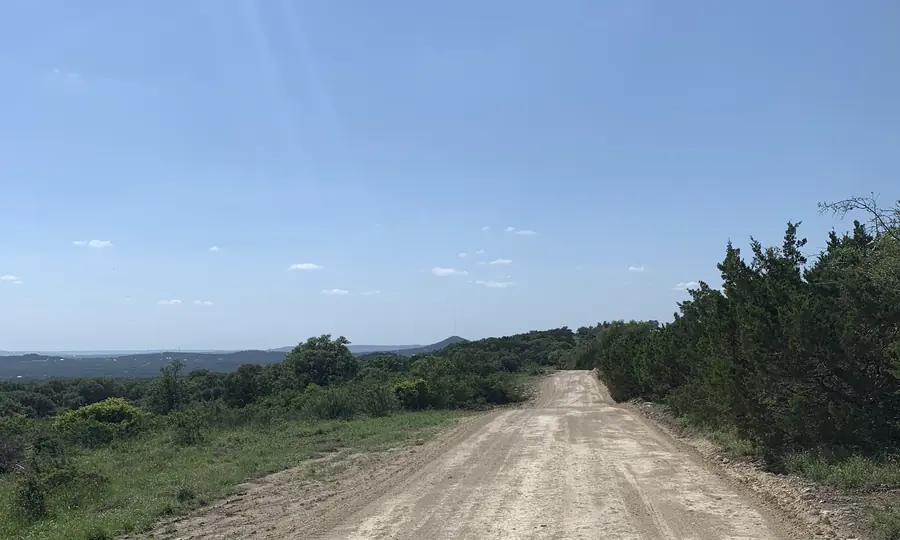
Ranch road drainage: crowns, culverts, crossings.
Crowns, ditches, turnouts, culverts and low-water crossings, plus floodplain review and flood safety.
Read the guide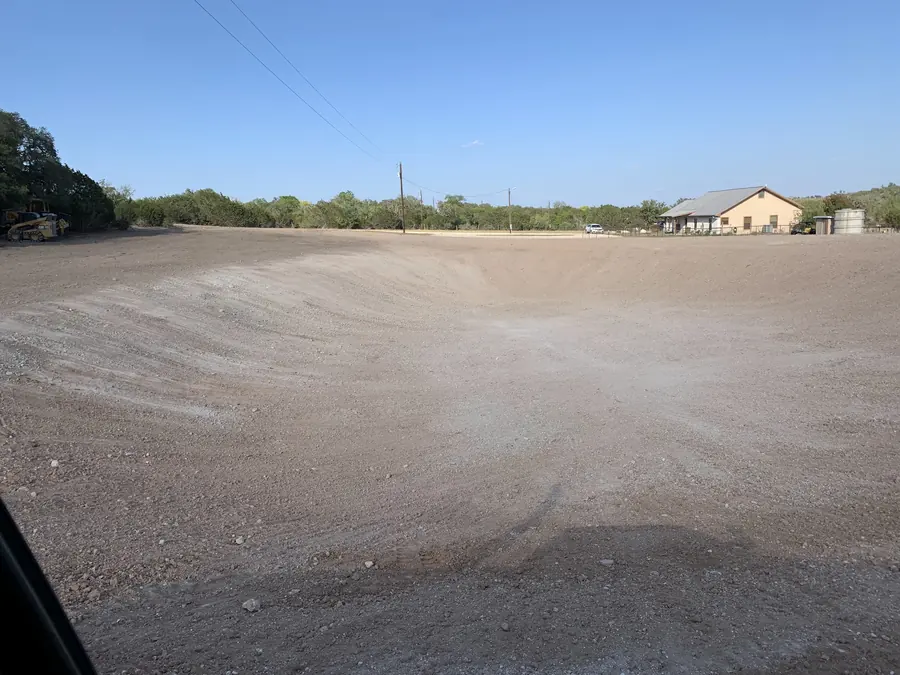
Edwards Aquifer rules for land work.
Which counties, when a TCEQ plan is needed, what is excluded and what it means for each kind of job.
Read the guide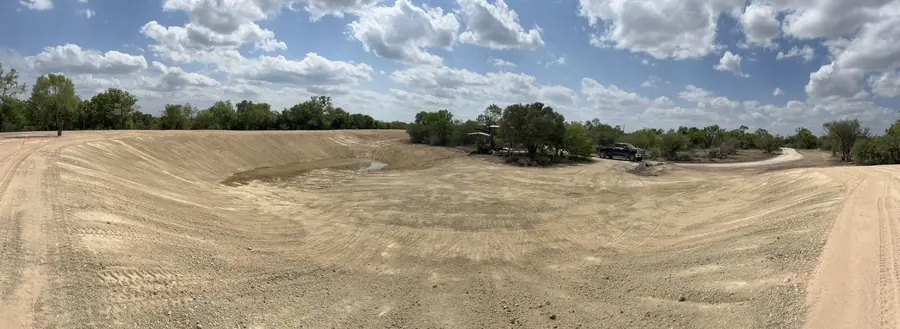
Free estimates
Need millings driveways?
Call (830) 328-3684 or send a few details. Estimates are free.